Skip to content
INFOPATH

INFOLINK MES

From the moment material arrives to the moment product ships, every step linked by data

INFOLINK is a manufacturing execution system (MES).

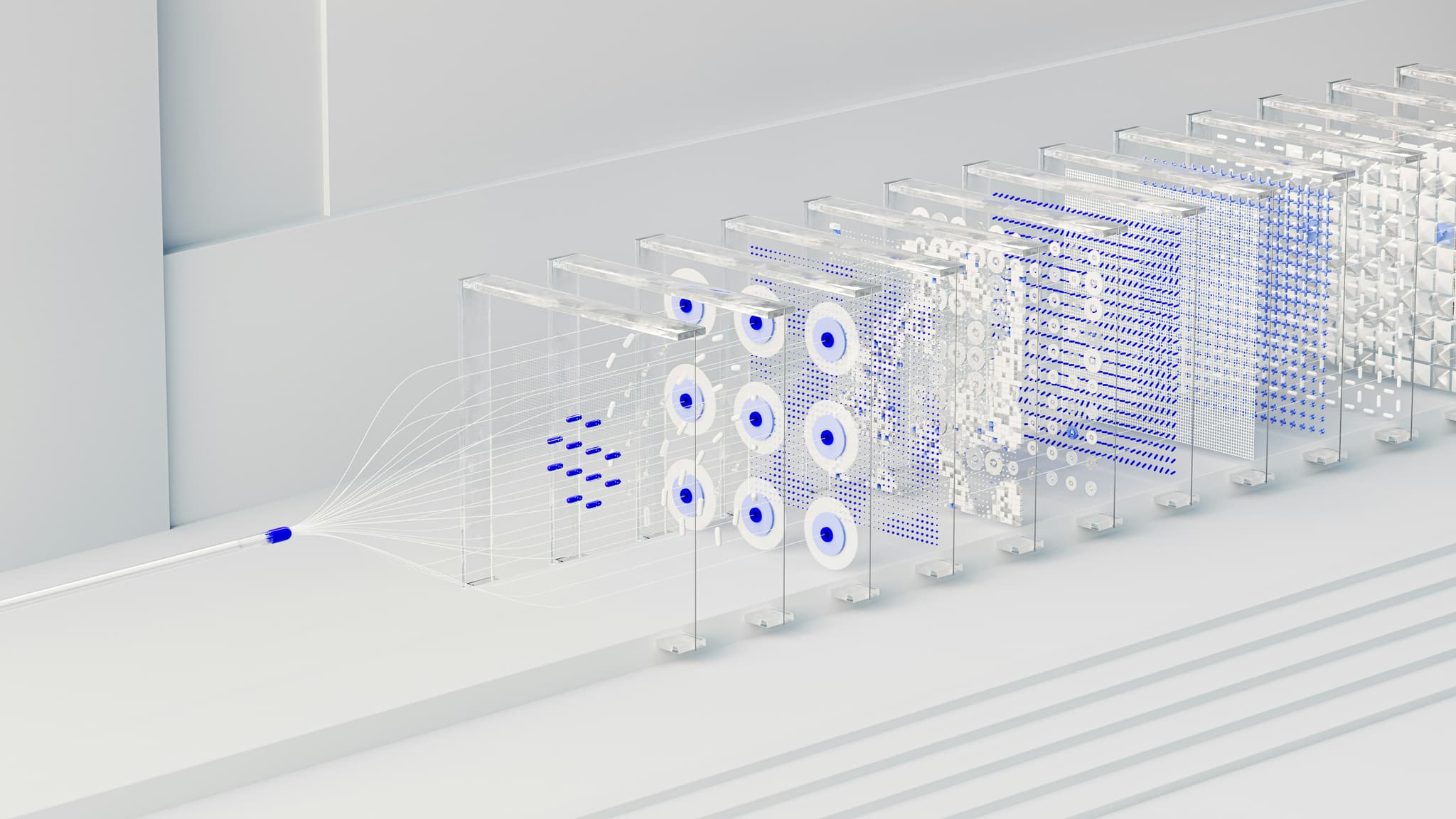
A 3D render of translucent panels stacked in layers with data flowing into them

WHY INFOLINK

Three things that actually stall a plant

Three situations that come up on floors running without an MES, and how INFOLINK answers each.

  1. On the floor

    A defect is reported and the cause cannot be found

    A customer reports a defect. Answering which materials were used and when means digging through paper logs and staff recollection. Unable to bound the recall, teams cast the net wider than necessary.

    INFOLINK

    A LOT (a batch of material produced under the same conditions) number is assigned at goods receipt and carried through inspection and production to the finished product. The link between material LOT and production LOT is written automatically as output is reported, so nothing has to be compiled after the fact.

  2. On the floor

    Book inventory does not match the shelf

    The month-end count disagrees with the ledger. With no way to find where it diverged, the number simply gets adjusted.

    INFOLINK

    Every action that changes stock passes through a single function, and that function updates the balance and writes the ledger entry in the same transaction. Ledger total therefore always equals current stock, and when it does diverge the responsible transaction can be identified.

  3. On the floor

    Uninspected material reaches the line

    When inspection results live outside the system in spreadsheets and on paper, there is no way to stop rejected material from entering production. A written rule gets skipped on a busy day.

    INFOLINK

    Material that has not passed inspection is excluded from the issue-candidate list outright. It is not blocked by policy; it does not appear in the results.

PROCESS

Eight stages, end to end

This is not a list of screens. Each stage feeds the next, and work cannot proceed unless the conditions are met.

  1. Sales

    Order intake

  2. Purchasing

    Purchase order

  3. Goods receipt

    LOT assigned

  4. Inspection

    Disposition

  5. Production

    Work order · output

  6. Quality

    In-process · final

  7. Shipping

    Dispatch

  8. Closing

    Ledger close

Where work is blocked

  • Material that has not passed inspection is excluded from the issue-candidate list
  • An item with no registered inspection criteria cannot have its purchase order confirmed
  • A work order without reserved material cannot move to Started

11 business modules

Which module covers which of the eight stages.

Sales
① Sales
Purchasing / subcontracting
② Purchasing · ③ Goods receipt
Quality
④ Inspection · ⑥ Quality
Production planning · production · WIP
⑤ Production
Inventory
⑦ Shipping · ⑧ Closing
Master data · equipment · system administration · AI analysis
Across all stages

MRP (material requirements planning — what to buy, when, and how much, derived from the production plan) review sits within production planning; output reporting sits within production.

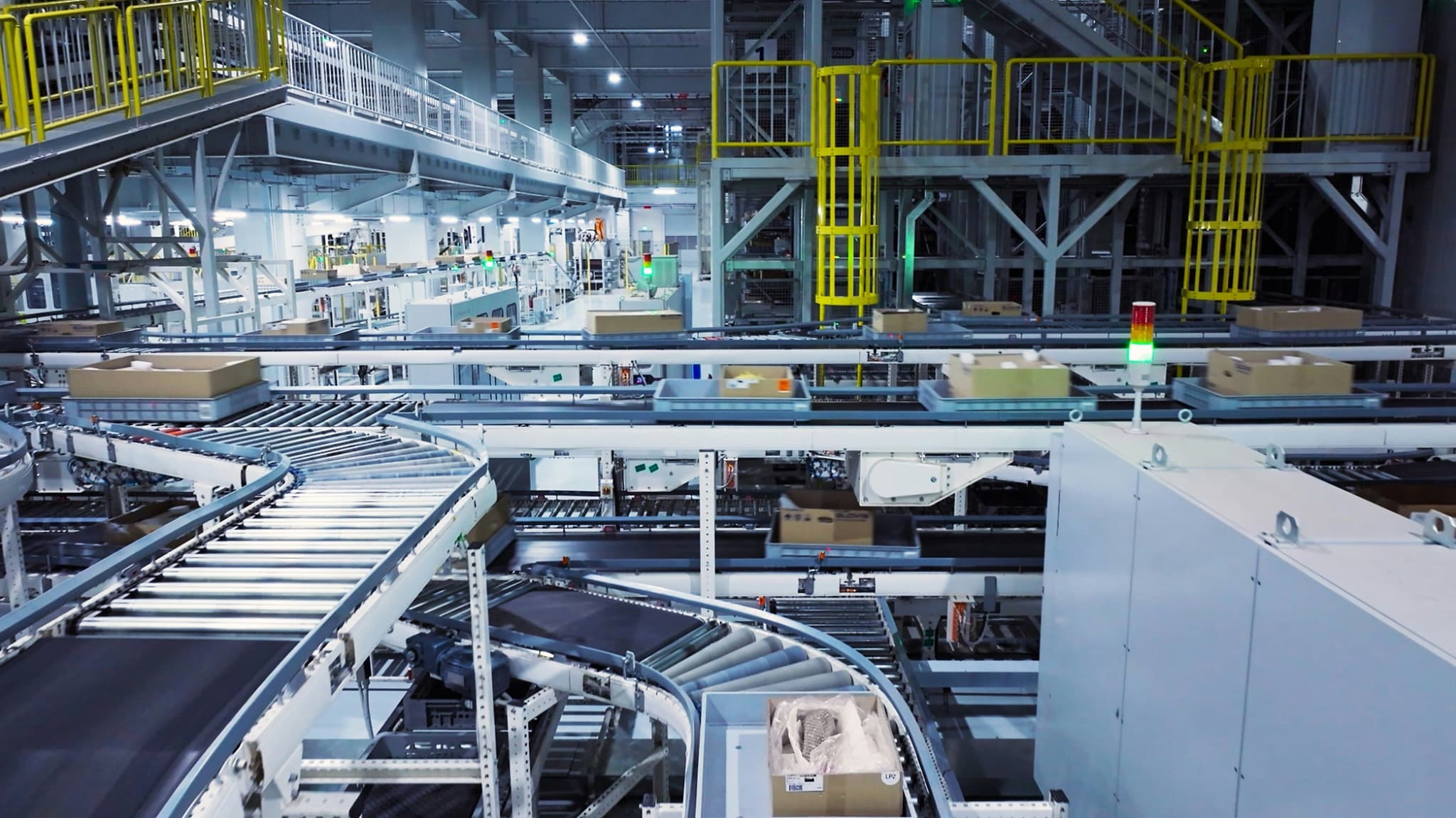
Production line with connected conveyors

It is not that the step can be skipped and should not be. It cannot be taken unless the conditions are met.

That constraint is what enforces quality.

HOW IT WORKS

From the record to the dashboard

What operators enter on the floor becomes the management screen itself. Nothing is transcribed or re-totalled.

How data travels, from the floor to the dashboardOutput and inspection results entered on the floor converge, pass through MES, and fan back out to the screens that need them.Shop floorRecordMESDashboard
Production line with connected conveyors

DATA COLLECTION

Recorded where it happens

Output, inspection and stock movements are recorded where they happen. Operators enter them at the POP shop-floor terminal, and what goes in is organized by process and becomes the input to the next stage.

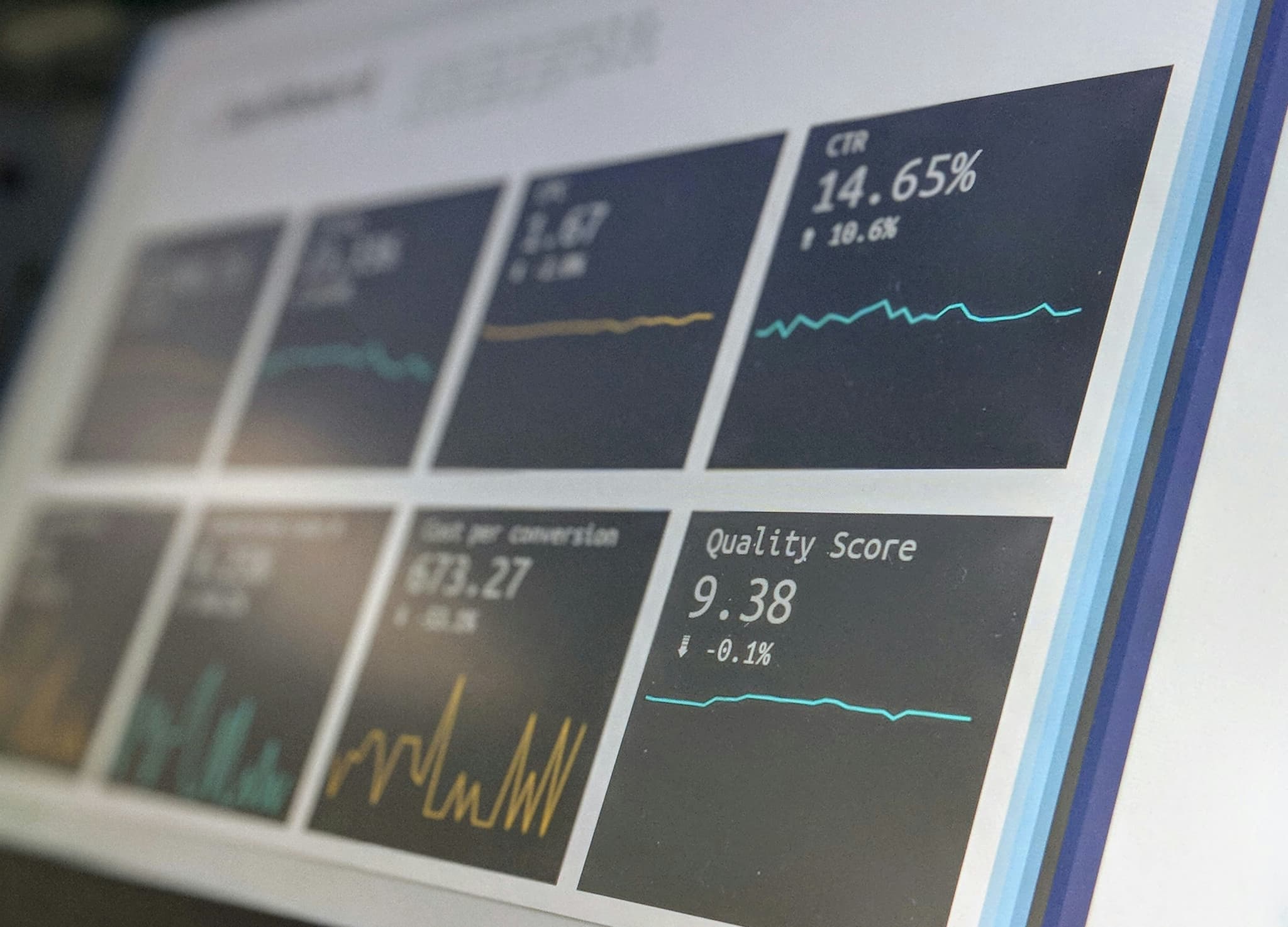
Dashboard screen showing metrics and trend charts

MONITORING

Production control and monitoring

Output, defect rates and stock on one screen. The shop floor terminal and the executive dashboard read the same data, so the meeting spent reconciling numbers goes away.

FEATURES

Six core capabilities

What each one solves comes first; the detail and the evidence sit underneath.

TECHNOLOGY

Technical stack

What is implemented today.

Backend
Python 3.12 · FastAPI · uvicorn
Database
PostgreSQL 17 (psycopg3)
Frontend
HTML + Alpine.js
Auth
JWT tokens · role-based access control (RBAC)
Documents
Excel · Word · PDF
API
REST — full coverage
Deployment
On-premise · private cloud

Why this shape helps

  • One database: PostgreSQL

    No burden of operating several stores side by side.

  • No front-end build step

    Change a file and it takes effect. Deployment stays simple.

  • Light on people

    Light to adopt, and light to keep running.

Start Small does not mean features were taken out. It means the system was built this way.

Access control

Permissions are not a matter of hiding screens. The server checks every request as it arrives, so revoking a permission takes effect immediately.

ARCHITECTURE

Inside the INFOLINK platform

A layered structure running from the user-facing screens down to the data layer. What is implemented today is set out below.

The diagram above shows the architecture INFOLINK is built toward. The current implementation centres on a PostgreSQL operational database and a FastAPI service layer; time-series and analytical stores and container-based deployment are not part of it yet.

Solution architecture

A data-driven manufacturing operations platform

Scroll sideways to see the full diagram

Layers (target architecture)

Users & channels

Executives, managers, supervisors, operators, quality staff, suppliers and customers each get their own view — on the web, a mobile app, a shop-floor PDA or scanner, or a dashboard.

Platform and services

Eight modules: sales and orders, production planning, purchasing and materials, work in process, quality, equipment, shipping and logistics, tracking and analytics. Workflow, approvals, notifications, permissions, audit logs and localization are shared services, carried by an API gateway and master data services underneath.

AI & analytics

Quality deviation analysis, analysis screens for equipment, inventory and planning, analysis output as documents (Excel, Word, PDF), and analysis history kept for audit. Read and analyse only, with no automatic action.

Data layer

Operational database (PostgreSQL), time series (InfluxDB), warehouse (DuckDB) and file storage (MinIO/NAS/S3), each for its own purpose, connected by streaming and batch ingestion pipelines.

Infrastructure

Runs on-premise or in a private cloud. Docker and Kubernetes deployment, Prometheus, Grafana and ELK monitoring, backup and DR, firewall, SSL and VPN.

External systems

Connects to ERP (finance, purchasing, HR), PLM (design, BOM), SCM and customer systems over EDI.

What the structure delivers

What does your plant actually need?

Just tell us what you make and how you track it today. We will map out what fits and reply within one business day.